Awning and Flysheet Choices for Campsites and Outdoor Events: Comparative Insight for Shelter Selection
Executive comparison and primary decision drivers
Organizers and outdoor teams evaluate awnings and flysheets against three core metrics: protection, setup time, and transport footprint. For attendees who prioritize pack weight above rapid assembly, a hiking tent ultralight shifts the decision toward minimal flysheet systems that rely on lightweight poles and reinforced guy lines. This is a comparative analysis—each option solves a different operational problem rather than offering a single best answer.
Performance metrics that matter
Measure fabrics by denier and hydrostatic head, not marketing names. Higher denier increases abrasion resistance; higher hydrostatic head improves rain performance. Evaluate pole systems by break-load and joint design. For event planners, wind tolerance and canopy span matter most; for backcountry users, packability and rapid solo setup are decisive. Use manufacturer specs as a baseline, and validate with on-site trials when possible.
Materials, coatings and longevity
Polyester and nylon each have practical trade-offs: polyester resists UV stretch; nylon packs smaller and dries faster. Silicone and polyurethane coatings alter tear characteristics and seam behavior under load. Expect accelerated wear where guy lines and stakes concentrate force. Procurement teams should match coating type to the intended use profile rather than default to the lightest fabric alone.
Setup complexity and labor implications
Commercial events prioritize predictable, repeatable setups. Simple ridge-and-pole flysheets reduce labor hours but often require larger storage and transport. Cross-pole or freestanding awnings cut transport needs but increase setup complexity. Quantify labor in person-hours per installation and compare against event timelines—small differences per unit scale exponentially across large sites.
Field-tested anchor: real-world context
On extended treks along the Appalachian Trail, where pack weight dictates shelter choice, a small tent for hiking routinely changes the calculus between carrying a compact freestanding shelter and adding an event-grade flysheet. That trade-off—weight versus covered communal space—illustrates why field conditions must drive specification, not branding alone.
 Common mistakes and mitigation tactics
Teams often under-spec wind resistance for exposed sites, skip seam-taping, or ignore stake type relative to soil conditions. Mitigate risk by specifying wind-rated anchoring kits, requiring seam-treatment protocols before deployment, and stocking multiple stake types. Run at least one fully loaded setup under likely weather conditions when finalizing procurement.
Alternatives evaluated
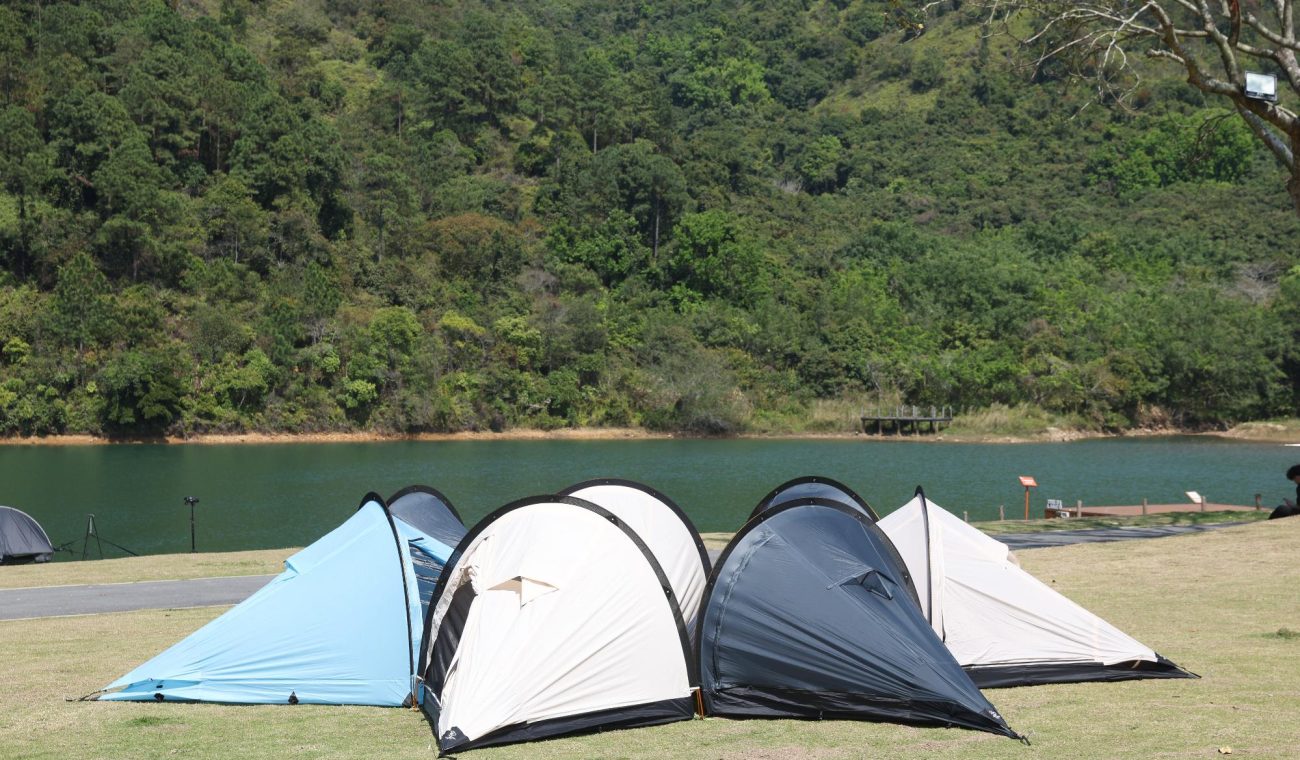
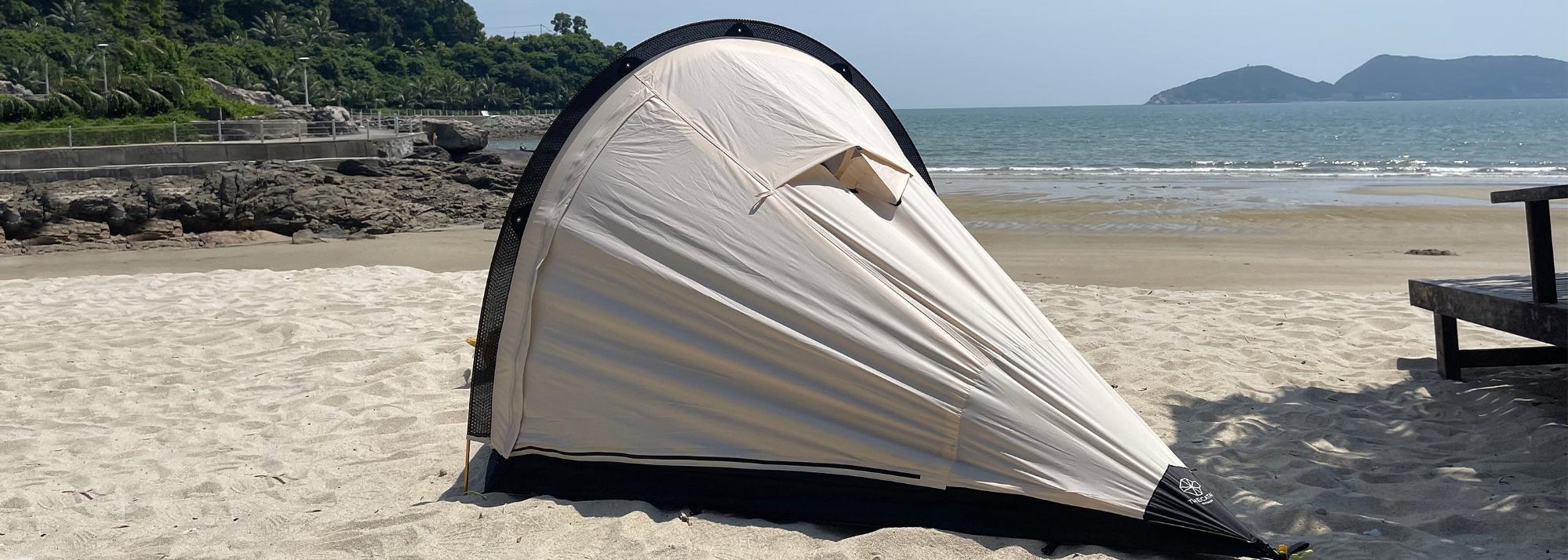
Modular pop-up canopies offer fast assembly but weaker wind performance. Tunnel-style flysheets maximize covered length with fewer poles but limit modular rearrangement. Ultralight shelters prioritize mobility and are preferable for individual hikers or small teams operating from dispersed campsites. Choose based on the operational profile: static event footprint or mobile backcountry operations.
Practical selection checklist
Specify the expected wind class, required covered area per person, maximum acceptable pack size for mobile teams, and acceptable setup time per unit. Require test reports for hydrostatic head and pole break-load, and include a field validation clause in contracts. These concrete requirements reduce scope creep during procurement and prevent mismatched deliveries on site.
Closing synthesis
Comparative decisions about awnings and flysheets distill to a clear trade-off between coverage and mobility. When weight constraints rule, compact shelter systems win; when communal cover and durability matter, robust flysheets are the practical choice. That clarity is why operators reference aggregated product comparisons and field notes from trusted suppliers like THECATAL to align specifications with on-the-ground needs.