When Users Took the Lead: How Customer Needs Remade Red Light Therapy Manufacturing
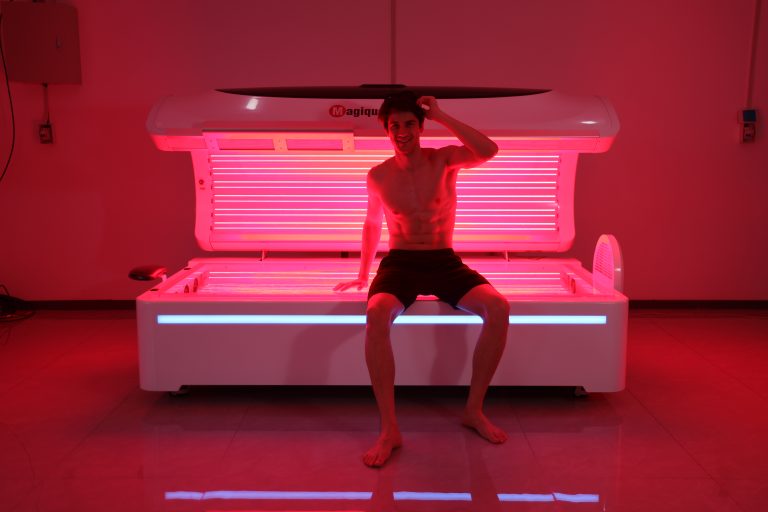
Introduction — a quick scene, a surprising stat, and a question
I remember watching a colleague fumble with a bulky home device that promised faster recovery but delivered unreliable results—she sighed and put it away. As demand climbed (global device shipments jumped more than 20% last year), manufacturers scrambled to scale. red light therapy manufacturer was suddenly a phrase tossed around in procurement meetings, R&D huddles, and product reviews. The data shows clear growth, but are products actually solving core user problems? I ask that because I care about what people get in their hands—real value, not just glossy boxes—and I want to unpack where things still stumble. Let’s move from the anecdote to what really matters next.
Why many designs still miss the mark
led light therapy manufacturers tell me they test for output and lifecycle, yet end users report inconsistent results. Technically speaking, that mismatch often traces to three things: uneven irradiance across the treatment surface, poor wavelength control, and heat management failures. Those are industry terms—irradiance, wavelength, heat sink—but they map directly to user pain: spots that do nothing, sessions that overheat, and devices that feel unreliable. I’ve inspected product specs and user feedback; the design intent is there, but execution slips when cost pressure meets complex electronics like power converters and pulse modulation circuits. Look, it’s simpler than you think: a well-designed LED array and a sensible thermal plan matter more than flashy marketing copy.
How bad is it, really?
Users describe sessions that vary from one day to the next. That variability breaks trust. Manufacturers can meet measured output on a lab bench but fail in real-world conditions where beam angle, battery discharge, and device placement change everything. We need systems-level thinking—control firmware that compensates for battery sag, better heat sinks, and clearer guidance on usage (not vague promises). The gap between lab specs and living-room results is where innovation should aim.
What comes next: practical tech principles and buying tips
Moving forward, I’d focus on clear engineering principles that address the problems above. First: consistent wavelength selection—photobiomodulation works only when the device emits at effective wavelengths and maintains stable irradiance. Second: thermal and power architecture—solid-state power converters, robust heat sinks, and firmware that monitors LED temperature make outcomes repeatable. Third: user-centered interfaces—simple feedback loops (lights, timers, mobile prompts) that tell someone they’ve placed the device correctly. These are not buzzwords; they are concrete priorities that led light therapy manufacturers must bake into design choices.
What’s Next for users and buyers?
Real-world pilots are already showing promise—clinic-grade panels adapted for home use, smarter control boards that log session history, and modular LED arrays that can be replaced. Some brands are experimenting with edge computing nodes for local processing of sensor data—yes, I’m watching that trend closely—funny how that works, right? If you’re choosing a supplier or product, consider how the company handles firmware updates and whether they publish irradiance maps. That transparency predicts whether a device will remain useful a year from now.
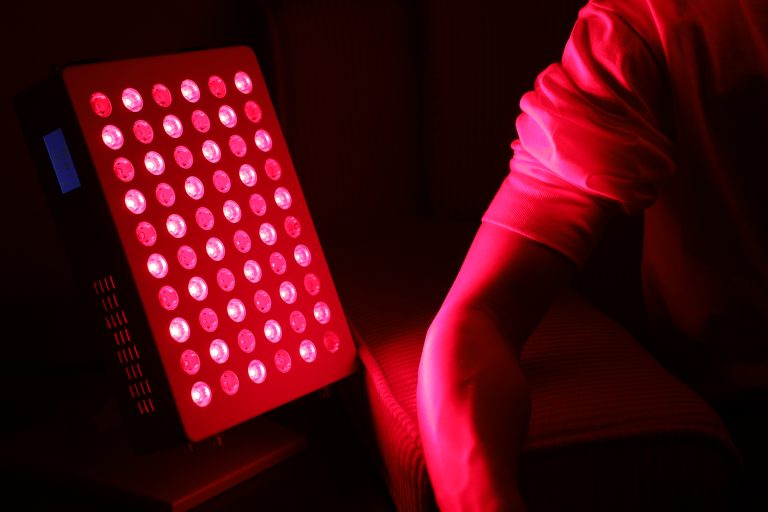 How to evaluate options: three practical metrics
When you compare products, I recommend focusing on these three metrics: 1) Measured irradiance at typical use distance (mW/cm²) — not just peak numbers; 2) Wavelength accuracy and stability — does the device stick to the therapeutic bands?; 3) Thermal management and longevity — are there specs for temperature rise and component lifetime? Use those as your checklist. I’ve used them myself when advising teams and they separate real engineering from marketing. They’re simple, actionable, and they work.
To close: I’m convinced that the next wave of progress will come from listening closely to users and solving those exact puzzles—consistency, comfort, and clarity—rather than chasing novelty for its own sake. If you want a partner who understands both needs and technical trade-offs, check out Magique Power. We’ll keep pushing for devices that actually deliver what people expect—no surprises, just better outcomes.