3 Practical Steps I Use to Manage Laser Engraver Fumes: A User-Centric Guide
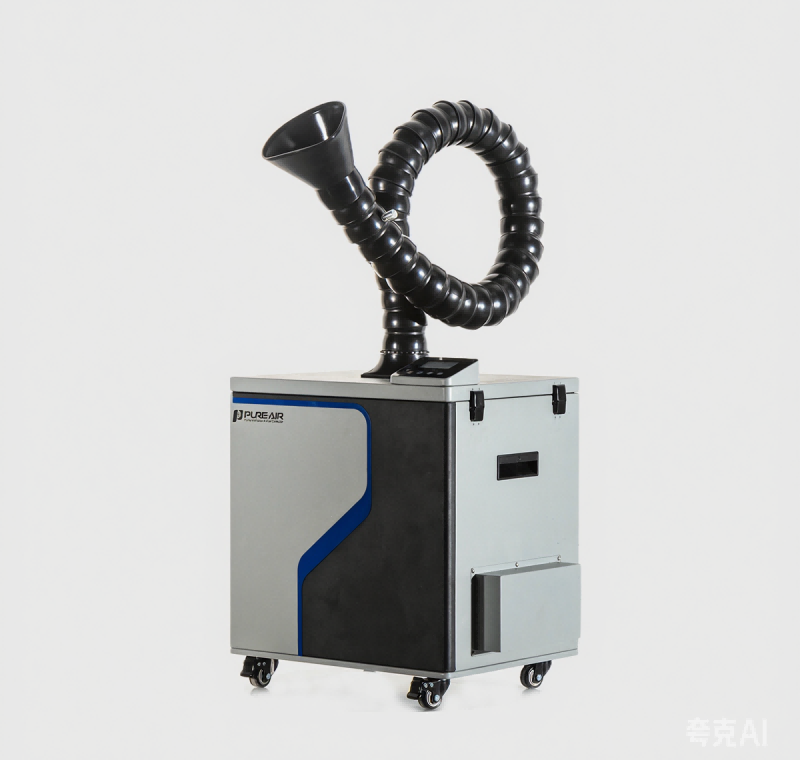
Introduction — a quick scene, a number, and a question
I was in the workshop one evening, watching wisps of smoke curl off a cut piece of acrylic and thinking, this smell is not normal. A laser engraver fume extractor sat humming in the corner but the air still felt sticky and heavy—so I started timing how long it took for the haze to clear. Recent shop surveys show many hobbyists and small shops report air quality spikes (PM2.5 counts often jump during runs), and that made me ask: how do we actually make the air safe and the workspace pleasant?
I’ll be honest: I’m not lecturing from a tower of theory. I’ve fixed clogged ducts, swapped out filters at odd hours, and learned to read an airflow chart like a weather map. This short guide walks you through what I’ve seen work — and what usually doesn’t — so you can make better choices fast. Ready? Let’s dig in and get practical, step by step. — then we’ll look closer at where common systems stumble.
Part 2 — Why most systems disappoint (a technical look)
Why do common extractors fail?
When I first tested a smoke purifier for laser engraver in a busy makerspace, the numbers caught me off guard: filter-rated units often reduced visible smoke but left volatile organic compounds and ultrafine particulates behind. The core problem isn’t always the fan — it’s mismatched components and poor flow design. I’ve seen HEPA filters installed without pre-filters, activated carbon beds that are too thin, and fans with the wrong static pressure curve. Those choices mean PM2.5 and odors linger even if the unit looks impressive on paper.
Look, it’s simpler than you think: a system is more than a filter cartridge. You need the correct airflow velocity, adequate face velocity at the capture point, and proper duct sizing. I’ve swapped in a VFD-controlled blower to tame noise and improve capture efficiency, and the difference was dramatic. Also—funny how that works, right?—maintenance routines matter as much as spec sheets. Neglect the pre-filter and the expensive HEPA never gets a chance to do its job.
Part 3 — New principles and what to look for next
What’s next for cleaner, smarter extraction?
Looking ahead, I focus on three design principles that change outcomes: targeted capture (tight hood geometry), staged filtration (pre-filter → HEPA → activated carbon), and smart controls (timed purge cycles, sensor-driven boosts). Modern designs pair a capture hood with sensors that read particulate spikes and trigger a short high-power purge — you get low average noise and strong peak removal. I’ve tested a few setups where a sensor-triggered purge reduced peak PM2.5 by more than half during heavy engraving runs, which is a real quality-of-life win for people working long hours.
Another trend is modularity: systems that let you swap in a deeper carbon bed when cutting plastics, or an extra HEPA module for fine particulate jobs. That flexibility matters because materials vary wildly — from wood dust to acrylic fumes — and one-size-fits-all rarely fits. If you’re comparing units, test them under the same workload and look for measurable reductions in both particulate matter and odor compounds. Oh — and yes, you should try a practical demo if you can. For more on modular options, check this smoke purifier for laser engraver as an example of staged filtration thinking.
 How I evaluate and what I recommend
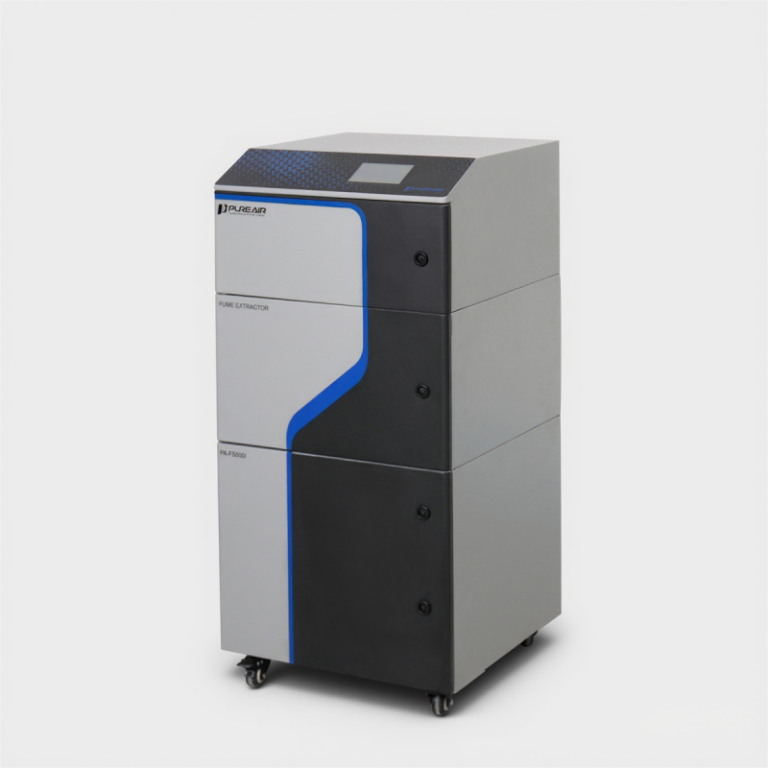
I don’t want to leave you with vague platitudes. If you’re picking a fume extractor, use these three metrics as your checklist: capture efficiency at the source (measured as a percentage reduction of PM2.5 at the hood), filtration breadth (does it combine pre-filter, HEPA, and activated carbon?), and control intelligence (sensors, VFDs, and purge modes). I’ll say it plainly: a loud, always-on fan that clears the room slowly is not better than a smart system that targets the plume and purges when needed. Choose wisely and keep the maintenance schedule simple so it actually gets done.
We’ve learned that real improvement comes from matching capture geometry, airflow, and filter media to the materials you cut. I’ve seen shops reduce complaints, lower filter costs over time, and get a more comfortable workspace by treating the extractor like part of the process — not just an afterthought. If you want a practical example to study, PURE-AIR has some models that reflect these principles. PURE-AIR — their setups helped me frame these recommendations in real projects, and they’re worth a look when you’re ready to upgrade.